
For artists and galleries in Australia
Know where every piece is
ArtFlow Pro is where you catalogue what you have made, send it out on consignment, and give each piece a page you can put in front of a buyer. Galleries use the other half of it to take work in, keep it straight, and pay the right person the right amount.
1 artist showing 274 pieces publicly right now.
- Enter a piece once, never retype it
- Share one piece privately, or the whole portfolio
- Not one piece goes public until you say so

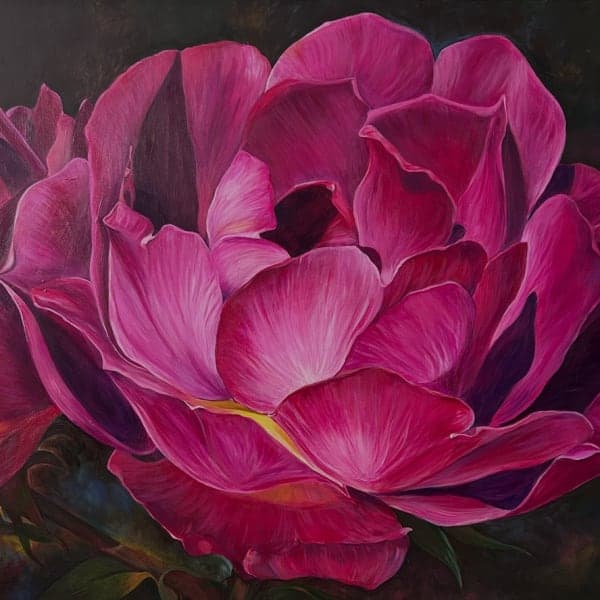
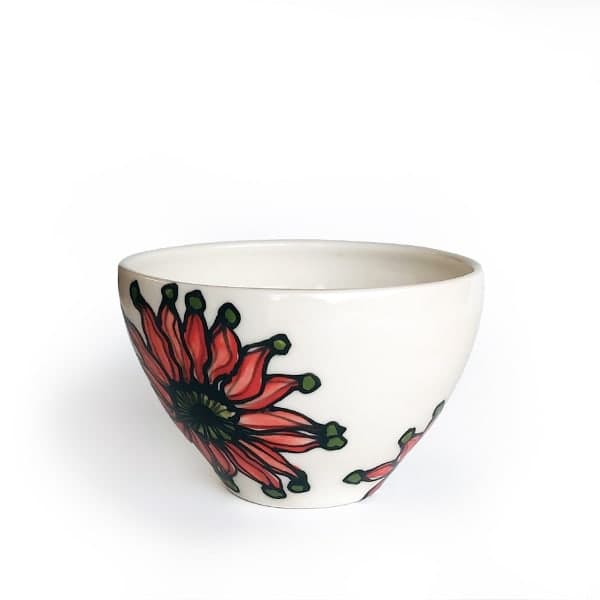
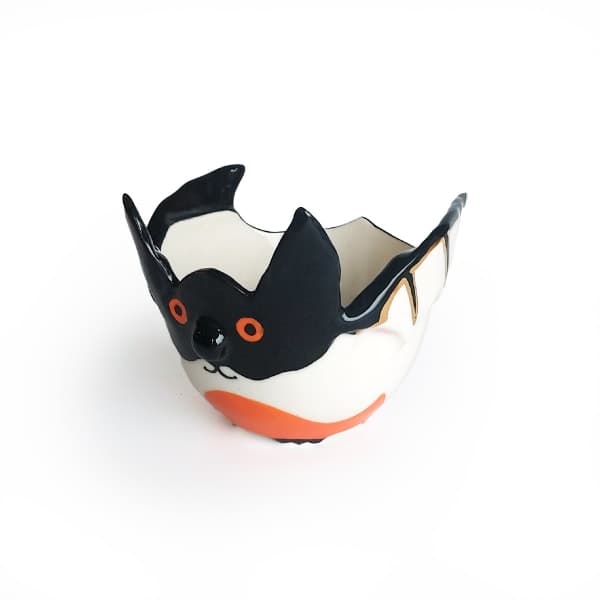
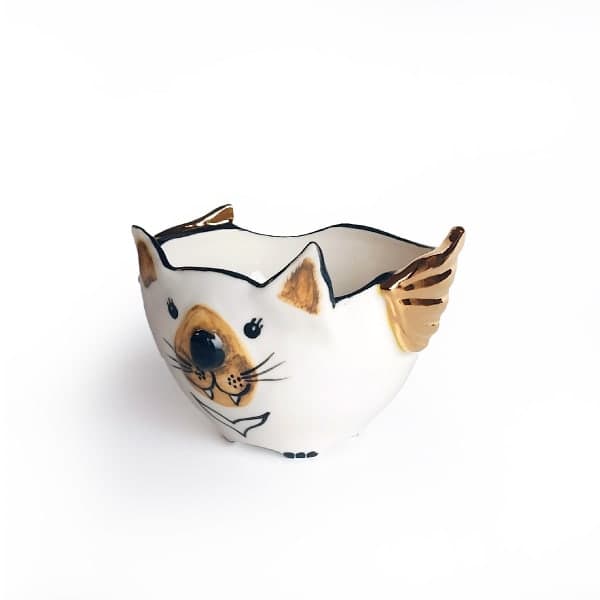
Recently listed work
Every piece here was put up by its maker, priced by them, and comes with a way to write to them directly. No middleman, no bidding.
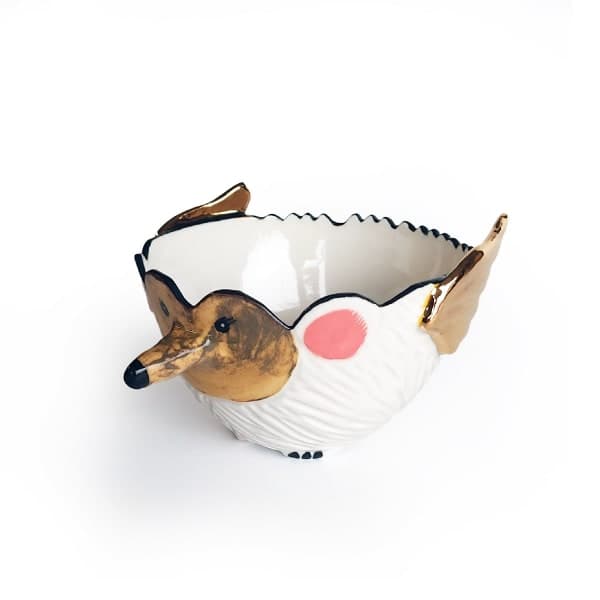
 Price on enquiryCeramicsZany Characters PlatypusFrances Smith Ceramics
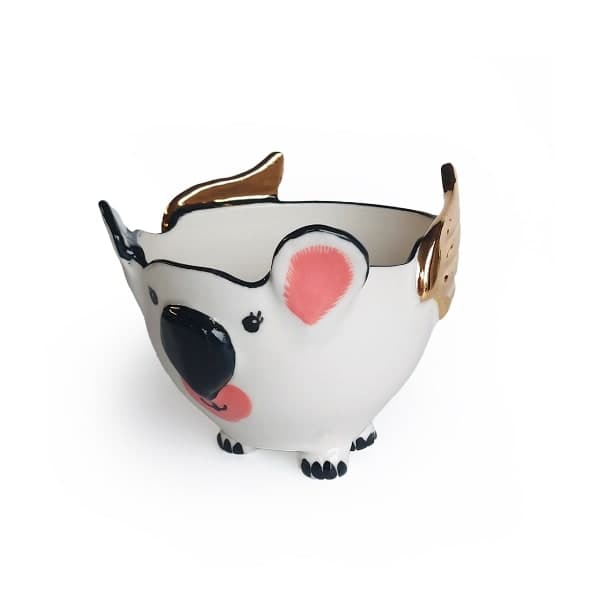
 Price on enquiryCeramicsZany Characters KoalaFrances Smith Ceramics
 Price on enquiryCeramicsLicorice Allsorts Vase 2Frances Smith Ceramics
 Price on enquiryCeramicsLicorice Allsorts VesselFrances Smith Ceramics
 Price on enquiryCeramicsThe Nest VesselFrances Smith Ceramics
 Price on enquiryCeramicsBlack Bowl with ChopsticksFrances Smith Ceramics
 Price on enquiryCeramicsWildFrances Smith Ceramics
 Price on enquiryCeramicsThe Blue Chopsticks BowlFrances Smith Ceramics
The people behind it
Makers who have chosen to show their studio publicly. Their pages carry their story, where they work, and everything they currently have available.

By what it is made of
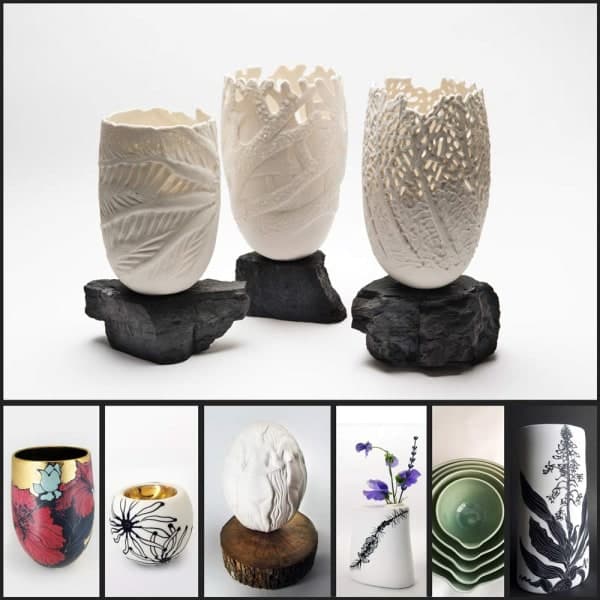
Ceramics, painting, print, sculpture and the rest of what Australian makers work in. Each medium has a page of its own, and they fill up as more artists list their work.
By where they work
Most people would rather buy from someone down the road, and most galleries would rather not freight a large piece across the country. So the work is browsable by state and by town.
What you actually get
Two halves of the same records. Artists work from the studio end, galleries from the floor, and the piece keeps its history as it moves between them.
If you make the work
- A proper cataloguePhotographs, dimensions, materials, series, serial numbers and provenance. All the details a gallery asks for and nobody can remember two years later.
- Words about the workWriting about your own piece is the part most people put off. Draft a description from what you have already filled in, then make it sound like you.
- Photographs that hold upClean up a studio shot and drop the background out, so the same piece looks right on a gallery wall plan, an invoice and a shopfront.
- A page for every pieceEach work gets an address you can send to a buyer, post, or put in a newsletter. They see the piece, the price you set, and a way to write to you.
If you sell it
- Consignments without the paperworkArtists send work in, you accept it, and both sides are looking at the same list. No spreadsheet emailed back and forth with two versions of the truth.
- Dispatch, labels and delivery docketsPrint the labels, record what left and when, and keep a delivery record that says what was sent and in what condition.
- Sell where your buyers already arePush accepted work out to Shopify, WooCommerce, Squarespace, Wix or Square POS, and keep the record in one place rather than four.
- Talk to the artist in one threadQuestions about a piece, a price or a return stay attached to the piece they are about, instead of scattered across three inboxes.
How it goes
The whole thing is built around one idea: file a piece properly once, and never do that work again.
- 01
Photograph it and file it once
One record per piece, with the picture and the measurements. Everything after this reads from that record, so you never type the dimensions again.
- 02
Decide who sees it
Send a private link to one collector, build a portfolio for a gallery, or list it publicly so it turns up in search. Three different decisions, and they stay yours.
- 03
Follow it out the door
Consigned, accepted, on the wall, sold, returned. The piece carries its own history, so when someone asks where it went, you know.
Start with one piece
The free tier is a real one, not a trial with a clock on it. Catalogue a work, share its page, and see whether the rest of it is worth paying for. There are apps for iPhone and Android too, which is where most of the photographing happens.