
Art & Design
Can 3D Printed Artworks Really Be Called Art?
Exploring the frontier where technology meets touch. It's a question that gets asked often-sometimes with genuine curiosity, other times with a raised eyebrow: Is 3D printed work really art? When a...
Administrator · · 3 min read
Exploring the frontier where technology meets touch.
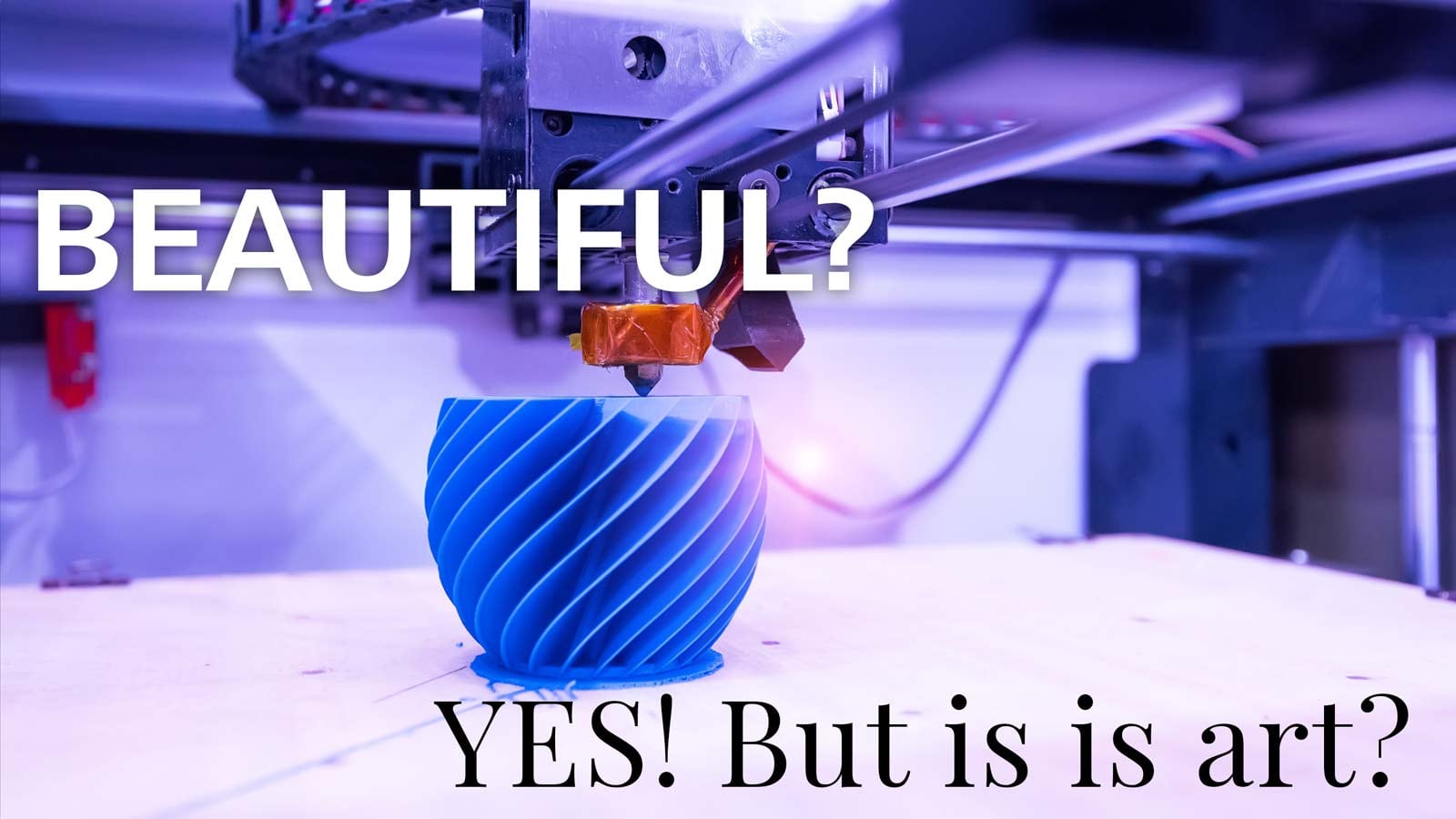
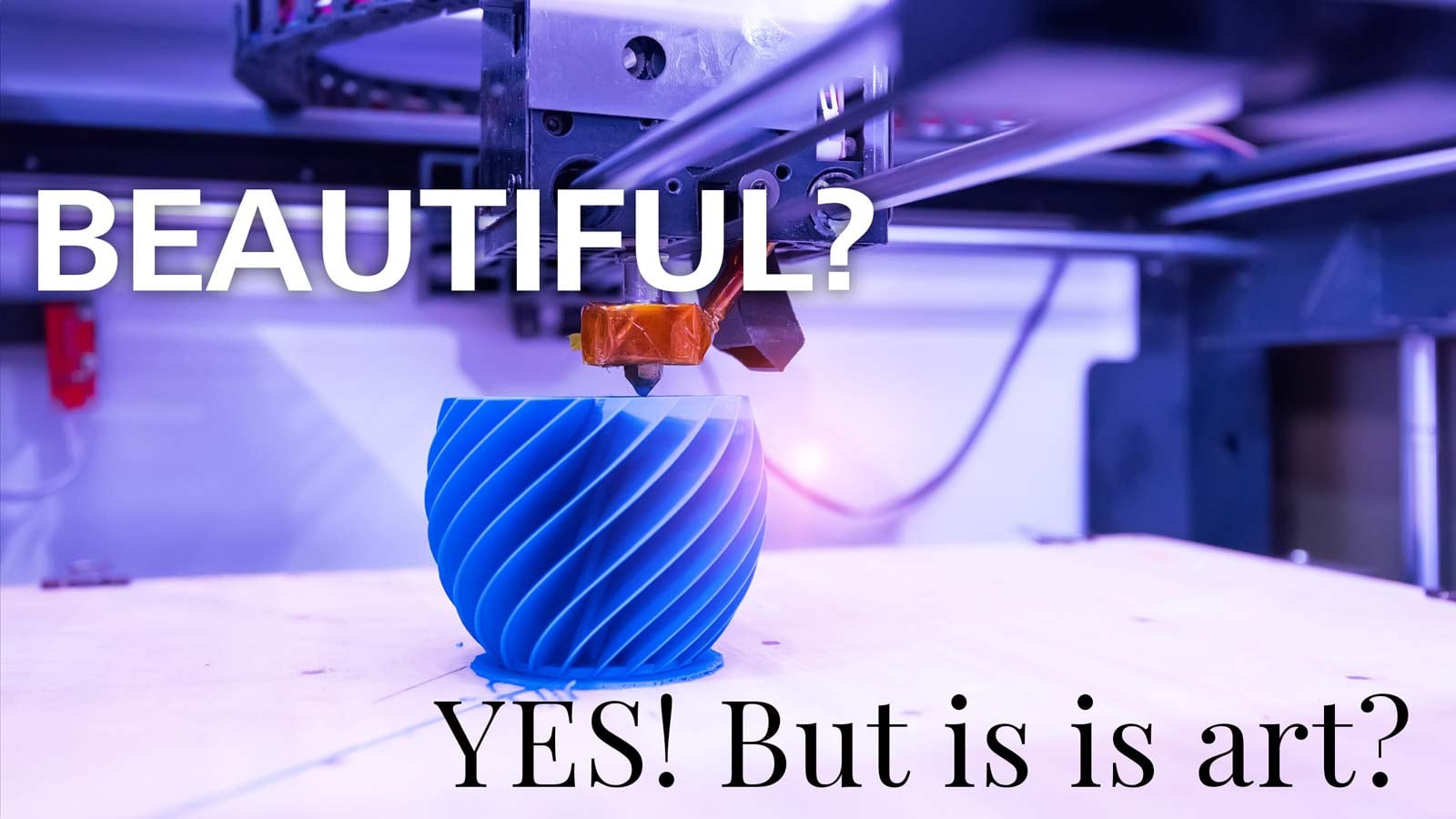
It's a question that gets asked often-sometimes with genuine curiosity, other times with a raised eyebrow: Is 3D printed work really art? When a machine executes a design, does that strip the soul from the process, or could it in fact open new doors for creativity, experimentation, and even emotional resonance?
The short answer is: it depends on the artist.
Take Olivier van Herpt, for example. His ceramic works are not simply the output of a machine. By introducing elements of randomness, such as sound vibrations during the print. He turns the 3D printer into a collaborator. His work becomes a "sensory machine," responsive to its environment. Rather than remove the human touch, van Herpt's process restores it, making space for error, serendipity, and feeling.
Similarly, Emre Can begins with a 3D-printed form but refuses to stop there. He treats the printed ceramic not as a finished piece, but as a scaffold for exploration. By carving, distorting, and adding new layers by hand, he captures the tension between artificial perfection and organic life. The final forms seem to breathe, living structures born of both code and clay.
And this is where 3D printing enters the conversation not just as a manufacturing tool, but as an artistic medium.
In sculpture, too, we see this hybrid approach emerging. Artists now prototype kinetic forms, modular pieces, or large-scale structures using 3D printing, then intervene, through hand-finishing, casting, polishing, even destructive techniques, to bring unpredictability back into the work.
Even digital artists exploring mixed media or conceptual art forms are using 3D printing to generate physical manifestations of data, sound, or ephemeral processes. A dancer's movement becomes a topographical sculpture. An audio file becomes a twisted bronze form, first printed in plastic and then recast. A performance becomes permanent.
The question is no longer "Is it art?" but "What kind of art is it becoming?"
3D printing does not replace the artist, perhaps it extends them. It offers speed, precision, and complexity, yes. But in the hands of an artist, it also offers a new kind of intimacy, a dialogue between the digital and the physical, between concept and touch.
At Artflow Pro, we support artists working in all mediums, including 3D printed and digitally prototyped works. Whether you're a sculptor exploring new materials, a ceramicist pushing the limits of form, or a mixed media artist blending old and new, Artflow Pro gives you the tools to document your creative process, publish your works, and communicate with galleries who understand the evolution of contemporary practice.
In the end, art is defined not by how it's made, but by why it's made.
And what it makes us think and feel.